Genetically Modified Foods – Part 1; US Marketplace is ripe with GM foods.
By Stacy Kennedy, MPH, RD, CSO, LDN; Reboot Nutritionist
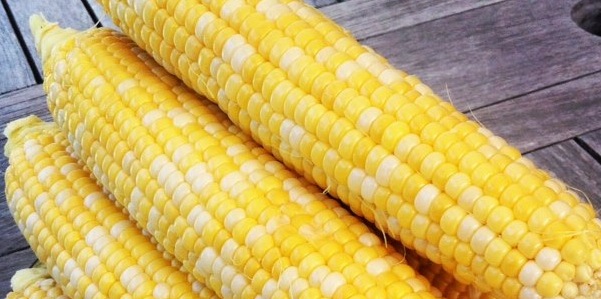
Genetically modified foods (GM) is one of the most hot button, controversial subjects in the world of food and nutrition today. Like religion or politics, it’s a touchy subject and many people have strong opinions about the detriment or merit of this practice. Let’s take a brief glance at the key points and what you can do to stay informed about the foods you are consuming.
Given the complexity and disparate policies concerning GM foods across the globe, this article will touch on what is happening in the US. Stay tuned for more information from Reboot Naturopath, Claire Georgiou who will address GM foods in Australia in Part 2 of this series.
What is a genetically modified food?
According to the World Health Organization –
“Genetically modified organisms (GMOs) can be defined as organisms in which the genetic material (DNA) has been altered in a way that does not occur naturally. The technology is often called “modern biotechnology” or “gene technology”, sometimes also “recombinant DNA technology” or “genetic engineering”. It allows selected individual genes to be transferred from one organism into another, also between non-related species. Such methods are used to create GM plants – which are then used to grow GM food crops.”
In other words, picture huge apples that don’t turn brown.
Why were GM foods created?
GM technology was created to manipulate crops for protection against insects, viruses or herbicide tolerance to ultimately improve the efficiency of production and produce higher crop yields that require less harmful pesticides. But has using GM in our food supply produced these benefits? Current thinking suggests that there is more harm then good although this actually remains to be seen.
Are GM food safe?
So far there isn’t any scientific evidence that consuming GM foods leads to harm or disease in humans. But the lack of research does not mean that no harm exists; it’s simply too soon to tell. Research in animals is beginning to mount and shed light on the potentially damaging effects of consuming a diet high in GMO.
While consumers can’t be absolutely certain about the effects of eating a lot or a little GM foods on their health and wellness, they could certainly be better educated and informed about which foods contain GM ingredients, which are currently not a required part of food labels in the US.
There is a heated debate right now in California– with residents calling for GMO foods to be labeled clearly so the public can make an informed choice in their food purchases. The Environmental Working Group has joined forces with more than 1 million Californians to get Proposition 37 passed which would require food labels to list GMO ingredients. Over 40 countries outside of the US, including China, require GMO ingredients to be labeled and easily identified by consumers.
How common are GM foods?
To me, this is the really scary part. Estimates show 70% of corn farms (88% of corn grown for animal feed), 93% of soy farms, and 90% of sugar beets are genetically modified. Reports have uncovered that since the 1990s we have been consuming GM foods found mostly in processed, packaged products and animal feed.
Top GM foods in the marketplace
• Soybeans
• Corn
• Sugar Beets
• Canola
GM foods on the horizon
• Apples
• Rice
• Pork/pigs
• Salmon
Public perception is clear
People from across the globe are leery of any food or beverage labeled as genetically modified or unnatural, while foods marked as natural are seen as being free of negative characteristics. Whether or not genetically modifying and manipulating foods turns out to have a health advantage, it will be a struggle to convince people of its merit.
Patients with gastrointestinal diseases often take supplements like probiotics to help their guts. A study at Cleveland Clinic, Mayo Clinic and Johns Hopkins University found that unmodified probiotic products were described by participants as “natural” which they associated with a reduced risk and overall morally “good” while genetically modified probiotics were connected to the term “unnatural” and seen as “foreign, risky “ or morally “bad.”
Another study examined people from the US, UK, Switzerland, France, Germany and Italy’s attitudes and definitions of the word natural and found that across these different populations, a food labeled as natural was associated with being free from negative components like additives, and that plant foods, especially green ones, were seen as natural especially when compared with meat based foods. Interestingly, the strongest association was the absence of negative properties in a “natural” food, not necessarily the presence of positive attributes like particular nutrients. In all countries, genetic engineering of foods was viewed as the polar opposite of natural, although the greatest opposition was seen in Europeans and the lowest level of concern in the US.
How to avoid genetically modified foods
• Look for the Non-GMO label (it’s not yet required in the US but many companies are voluntarily showcasing this information)
• Buy Organic, especially local
• If you consume dairy seek rBST or rBGH free milk
Corn Free…
Poor corn. Once a beloved, indigenous, fresh, natural staple of American life as a food and even household item like toilet paper, it is now seen by many as the root cause of ill health. It is indeed one of the most genetically modified crops here in the US and has been manipulated into altered ingredients pervasively used in our food supply.
A recent facebook post on Fat, Sick and Nearly Dead’s page, showcasing vibrant, organic, farm fresh corn garnered 113 comments, many about the ills of or warnings about GMO foods; while others noted that local, organic corn either from a small farm or someone’s backyard offers important nutrients like fiber, anti-oxidants and B vitamins. You can even juice corn! Or include it in your reboot in fresh, homemade corn and tomato salsa (non GMO, of course!).
What is your opinion about GM foods?
If you choose to avoid them how do you make certain your foods are GM free?