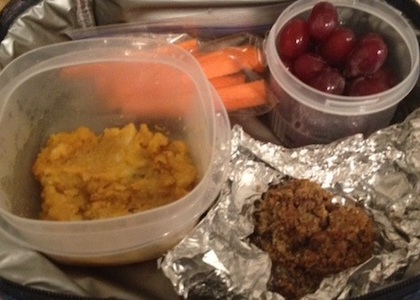
Not Your Average School Lunch
By Stacy Kennedy, MPH, RD, CSO, LDN; Reboot Nutritionist
Today kicks off National School Lunch week, which makes it the perfect time to celebrate efforts to improve the food served to our kids. The school lunch program began in 1946 and has seen many changes over the years. School lunches have a long history of being perceived as unhealthy, unappealing blobs of food high in fat, sugar and devoid of anything nutritious and fresh. Despite this, the research which lead to the start of the National School Lunch & Breakfast programs showed that kids who eat breakfast and lunch not only perform better academically but have fewer disciplinary incidents at school.
The Better Food, Better Behavior study of an Appleton, WI high school has found that by providing fresh, healthy foods to students, grades are up and behavior is better with zero students dropping out, being expelled, found using illegal drugs or carrying weapons. Even more encouraging is that students are enjoying these changes and have made their desire for good food known in the community.
The choice to bring or buy lunch is an important decision that many families make but a growing number of kids rely on free or reduced-price school lunch to prevent hunger. Due to our economic situation, in 2010, there was a 17% increase in the number of students enrolled in this program – 21 million students, up from 17 million in the 2006/2007 school year.
Not perfect but getting better.
Many school districts are making significant efforts to improve their school lunch and other food offerings. For example, the Boston Public Schools now provides:
- Fresh fruits and veggies with all meals
- Meals free of trans-fats
- Many ingredients sourced from local farms
- Whole grains in place of refined grains
- Salad Bars in high schools
- Chefs working with cafeteria staff
In addition to these positive changes, government funded programs like the Fresh Fruit and Vegetable Program are helping to provide more fresh, local plant foods for our kids. This year the program received almost $800,000 to provide over 27 schools with fresh fruits and vegetables for snack – like cut carrots, cauliflower, honeydew melon and apples. Each school that receives the grant sends a representative to training sessions to not only learn how to carry out the program out but also important information on nutrition and wellness.
Despite all of these improvements to the quality and nutrient content of our school lunches, many parents (like me) choose to send their child to school with lunch. It’s really a personal choice and one my son and I discuss together so he is involved in the process. It has been his desire to bring lunch rather than buy although occasionally he will read the menu sent home from school and buy lunch. So far this year he hasn’t bought lunch yet.
Here are some fun tips for what to pack your kids for lunch.
- Leftover lunch (send warm soups, veggie chili, pasta, etc… in a thermos to keep hot foods hot nice and toasty at lunch time)
- Wrap with hummus, veggies (like spinach, carrot slices, cucumber, olives, avocado) and beans, cheese, or grilled chicken.
- Veggies + dip – a little container with hummus or black bean dip and crunchy veggies to munch on, like carrot sticks, celery, and peppers.
- Fresh fruit like grapes or apple slices.
- Water over sodas or store-bought juices
And here is a fun recipe!
Ingredients
- 2 cans (16 oz each) BPA free black beans or 8-12 oz dried (soaked, drained and cooked)
- 1 cup (170 g) quinoa (cooked on stovetop or rice cooker)
- 6 oz (3/4 cup) crushed tomatoes (in a soft box not can or puree fresh tomatoes)
- 2 cloves garlic, minced
- ½ onion, diced
- 1 jalapeño or other pepper, seeds removed, diced
- 1 tbsp coconut oil
- 2 tbsp ground flax seeds
- 6 tbsp water
- Pinch of Himalayan sea salt and ground black pepper to taste
- ¼ tsp turmeric
- ¼ tsp cumin
Directions
- Preheat oven to 425 degrees F ( 200 C).
- Briefly sauté garlic, onion and pepper in coconut oil.
- Blend ½ black beans, tomato and sautéed veggies in food processor or blender.
- Pour into bowl and add the rest of the black beans, quinoa and spices. Mix well – add more seasoning to taste.
- Form into patties, adding additional ground flax seed as needed.
- Place on baking sheet and drizzle olive oil on top to help brown burgers.
- Bake for 15-20 minutes or until patties are browned.
- Serve alone or on a whole grain bun, wrap, gluten free bread, etc…
Prep Time: 20 minutes
Cook Time: 20 minutes
Total Time: 40 minutes
Servings: 12
Calories: 120
Fat: 2.5g
Trans Fat: 1g
Cholesterol: 0mg
Sodium: 210mg
Carbohydrates: 18g
Fiber: 4g
Sugars: 1g
Protein: 5g