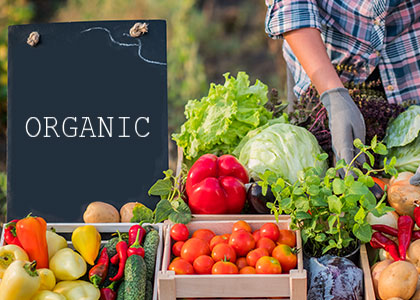
Choosing Organic: When To Buy It and When To Skip It
By Stacy Kennedy, MPH, RD, CSO, LDN; Reboot Nutritionist
Organic foods are increasingly popular, prevalent and in demand. Organic farming is one of the fastest growing segments in US agriculture accounting for 3.5% of total retail food sales in 2010, up from 1.8% in 2003. Australians are also choosing organic foods more often especially younger women living in urban areas.
Concerns over environmental exposures, genetically modified foods, and health drive many to seek out organic options. But even junk foods like candy canes, boxed macaroni and cheese and soda can carry organic labels making the case that just because it says organic doesn’t mean it’s healthy.
What does “organic” actually mean?
“Organic” refers to the way farmers grow and process their products. Instead of using chemical weed killers, herbicides, insecticides, antibiotics and hormones, they use natural fertilizers, beneficial insects and birds, and rotate crops. Organic farmers allow outdoor access for animals and use preventive measures to deter disease.
The U.S. Department of Agriculture (USDA) established an organic certificate program in 2002, giving the “organic” stamp of approval once strict government standards have been met. This label certifies the product is 95% or more “organic”. However, obtaining this certificate can be a lengthy and pricy process so it is important to keep in mind the benefits of buying local, as some smaller farms or producers adhere to organic practices, but simply cannot afford to obtain the official distinction. Growing your own produce or getting to know your farmer may be more crucial then the organic stamp! This child’s experiment shows just how important it is to know what you are eating.
Why buy organic?
Some prefer the taste, while others address concerns for pesticides food additives, supporting local farming by reducing pollution and conserving water, and soil quality. More studies are being published showing higher levels of healthful nutrients and lower levels of harmful compounds in organic vs. conventional produce. Like this 2012 study that found organic spinach had significantly higher levels of Vitamin C and flavanoids and less nitrates compared to conventionally grown spinach.
Even with these benefits, if organics aren’t an option for you experts suggest that the benefits of a diet rich in fruits and vegetables outweigh the risks of pesticide exposure. Just be sure to wash everything well, and when feasible, choose organic, local and seasonal produce as often as possible.
Some populations might be more sensitive to the effects of pesticides, like young children. One study found that children consuming pesticide treated fruits and vegetables may have an increased risk for developing ADHD. Children and pregnant women who live in farming communities are known to carry additional risk for diagnosis of ADHD due to higher levels of exposure to pesticides in utero or at an early age.
Can’t afford to go all organic?
Buying organic isn’t always cheap. Which products are more likely to have a higher pesticide content for those concerned? The Environmental Working Group (EWG) creates the “Dirty Dozen” or the top ranking products for pesticide residue each year. Your grocery cart doesn’t need to be all or nothing but try to stick to organic for at least your Dirty Dozen picks:
Dirty Dozen 2017 “most pesticide residue”
1. Strawberries
2. Spinach
3. Nectarines
4. Apples
5. Peaches
6. Pears
7. Cherries
8. Grapes
9. Celery
10. Tomatoes
11. Sweet Bell Peppers
12. Potatoes
Clean Fifteen “lowest in pesticides”
1. Sweet Corn*
2. Avocados
3. Pineapples
4. Cabbage
5. Onions
6. Sweet Peas (Frozen)
7. Papayas*
8. Asparagus
9. Mangos
10. Eggplant
11. Honeydew Melon
12. Kiwi
13. Cantaloupe
14. Cauliflower
15. Grapefruit
*A small amount of sweet corn and papaya sold in the US is produced from genetically modified seeds. Buy organic varieties of these crops if you want to avoid genetically modified produce.
If you like to leave the peels on your lemons, limes, oranges, watermelons and other produce when you juice consider choosing organic for these as well. If you cut the rinds off then just washing before cutting will reduce pesticide exposure.
Shopping Tips:
- Buy produce in season (see Seasonal Chart)
- Read food labels carefully (“organic” does not always mean “healthy” beware of sugar, fat and sodium in packaged foods)
- Wash fresh produce thoroughly to remove dirt, bacteria and pesticides
- Wash well with: running water; or diluted vinegar (3 parts water to 1 part vinegar); or water, lemon, baking soda and diluted vinegar
Do you buy organic produce exclusively? Sometimes? Local produce? Grow your own? We’d love to hear from you!