A Healthy Diet Can Change the Way You Think!
By Claire Georgiou, Reboot Naturopath, B.HSc ND
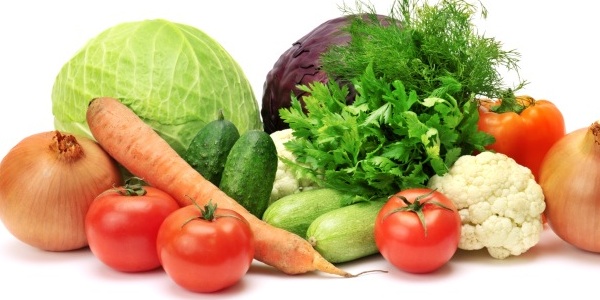
‘We are what we eat’ we have all heard this many times over but studies continue to confirm this. Did you know that your diet can affect your IQ, attention span and cognitive function? Many studies indicate that your nutrient intake can have a dramatic effect on your brain health, mood and depression. Neurotransmitters are reliant on nutrients found in foods to ignite that transmission that is required for a normal thought process.
Anti-oxidants play a crucial role in the prevention of memory and cognitive decline that can occur in later life. This also supports the fact that a diet rich in micronutrients will also reduce your chance of brain degeneration. Exciting new research is looking into the beneficial effects of certain dietary plant compounds to learn how they affect brain function. Your brain is especially vulnerable to damage from free radicals because it uses a lot of fuel, it’s only about 3% of your body weight but uses up to 17% of your energy. Since your brain creates a lot of free radicals, a high intake of antioxidants will help reduce the toxic effect they can have on brain cells.
Certain nutrients can help in maximizing your brain’s potential and in preventing disease and brain deterioration such as magnesium, iron, B12, B9, vitamin E, C and zinc.
As the brain matures, cell division becomes largely restricted to specific regions of the brain, and brain cells tend to become more vulnerable to oxidative stress and inflammation. Inflammation ordinarily contributes to neuronal and behavioural shortfalls during aging. Anti-oxidants can protect the brain from these effects.
Diet and IQ Performance in Children
Science stresses a good diet is vital in a child’s early life as the brain grows at its fastest rate during the first three years of life. Children fed healthy diets in early age may have a slightly higher IQ, while those on heavier junk food diets may have a slightly reduced IQ, according to new research.
Another dietary study on a pair of twins indicated a significant increase in the IQ by 15%. This experiment involving identical twins has provided astonishing evidence of the effect food additives have on children’s behaviour and IQ levels. The twins were tested before the experiment and had identical IQ results. One of the twins was given a more natural diet, free from additives, fizzy drinks, artificial coloured sweets, flavoured crisps, ice cream, canned fruits and vegetables and 2 weeks later he was calmer, chattier, more assertive, and had a higher IQ result then his brother.
In a study published in the “Journal of Epidemiology & Community Health”, researchers analysed the dietary intake and IQ scores. The IQ scores of children who consumed diets high in sugar and fat and low in fruits and vegetables had a lower IQ score than children who ate more fruits and vegetables. Researchers concluded that eating a nutritious fruit- and vegetable-rich diet early in life may be linked with modest increases in IQ scores later on. This suggests that any cognitive and behavioural effects relating to eating habits in early childhood may well persist into later childhood, despite any subsequent changes – including improvements – to dietary intake.
Antioxidants prevalent in fruits and vegetables may also play an important role in overall brain function, including your memory, concentration and learning capabilities. Incorporate a variety of fruits and vegetables into your diet to get the broadest benefits.
Foods to increase your focus and cognitive function – back to school foods!
Eat plenty of good healthy fats and oils – such as cold-pressed olive oil, all nuts (particularly walnuts), avocado, oily cold water fish, seeds such as chia, pumpkin, flax and hemp seeds. Omega-3 fatty acids will support communication among brain cells and help regulate neurotransmitters responsible for mental focus. Here is more on the subject of good fats!
Beetroot (Beets) – Scientists at Wake Forest University determined that natural nitrates in beetroots can increase blood flow to the brain, thereby improving mental performance.
Folate rich vegetables – can help reduce homocysteine levels that can accelerate brain degeneration. Foods high in folate are kale, spinach, broccoli, corn, brussels sprouts, watercress, cabbage, green beans, avocado, banana, oranges, figs and blackberries.
High vegetable consumption – Harvard Medical School researchers found that women who ate the most vegetables—especially green leafy vegetables (spinach and romaine lettuce) and cruciferous vegetables (broccoli and cauliflower)—experienced a slower rate of cognitive decline than women who ate the least vegetables. In a animal study that was published in the Journal of Neuroscience, rats who were fed high ORAC (oxygen radical absorbance capacity)containing foods such as Vitamin E rich foods, strawberry and spinach extracts, did not show the same rates of age-related cognitive decline that the control rats fed on a standard chow.
Blueberries – Research from Tufts University in the United States and published in the Journal of Neuroscience suggests that blueberry extract can improve short term memory loss.
Tomatoes – Lycopene found in tomatoes has been shown to reduce oxidative free radical damage that can occur in the brain.
Pomegranate – offers potent antioxidant benefits which protect the brain from the damage of free radicals.
Citrus fruits – due to their antioxidant properties.
During your Reboot you can include all of the wonderful beneficial brain foods to improve your memory recall, mood and overall brain function.