Demystifying Organic
By Julieanna Hever
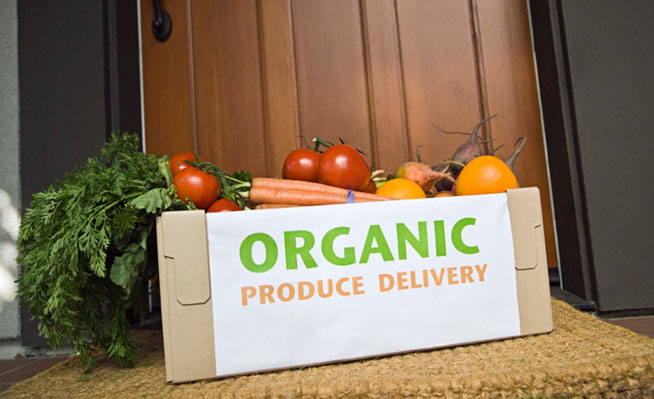
Organic farming optimizes nature by using sustainable and renewable resources and methods. In contrast to conventional techniques, organic farming refrains from using chemical pesticides, sewage sludge, synthetic fertilizers, bioengineering, or ionizing radiation. Instead, organic farmers use environmentally sound processes like crop rotation, biodiversity, and biological control to manage pests, maximize biological activity, and protect the health and integrity of the soil.
Without question, organically harvested foods are safer and healthier for human consumption for two reasons: 1) they are known to have slightly more nutrients found in organic food (although recent studies have tried to negate this), and – most importantly – 2) because of all the dangerous elements you are avoiding by choosing organic. The heavy use of chemicals, pesticides, radiation, and genetic modification has never been shown to be safe for human consumption and there is research showing their potential danger. For instance, organophosphates, which are common pesticides used in conventional farming, are possibly carcinogenic and toxic to the central nervous system. Organic farming is also the safest for the planet, as it preserves natural ecosystems and the integrity of the soil.
Now, here’s the rub: organic foods are harder to find and cost more. Further, it is near impossible to completely avoid conventional crops due to cross-contamination, products on the marketplace with long ingredient lists, costs to food service companies (restaurants, cafeterias, etc.), tricky claims and labeling laws, and other political purposes. In fact, the only way to know exactly what you are eating is if you know where the seeds come from and then grow all of your own food. So what’s a health-conscious consumer to do?
First and foremost, remember that you are better off including plenty of fruits and vegetables in your diet, regardless of whether they are organic or conventional. Less than a quarter of the American population consumes the minimum daily-recommended servings of fruits and veggies (and French fries and ketchup counts in these findings). Further, there was a recent study in Food and Chemical Toxicology exposing that “approximately 20,000 cancer cases per year could be prevented by increasing fruit and vegetable consumption, while up to 10 cancer cases per year could be caused by the added pesticide consumption.”
In other words, the benefits of eating your fruits and veggies far outweigh the risks associated with pesticide exposure. Although your control of the quality of the food supply is limited, you can vote with your dollar and you can also prioritize organics to meet your budget and work with what you have access to.
Here are some tips to help you navigate your shopping choices:
- Choose organic for the foods you consume the most of. Consider that dose (how much and how often) is important. For example, if you eat kale everyday, try to purchase (or grow) organic kale most of the time.
- Choose organic for foods you will eat the skin or leaves of (i.e. lemon zest, whole apples, spinach leaves) because the pesticide residues concentrate on the outside. Bananas and pineapple are more protected from spray because of their thick skin that’s discarded.
- Eat a wide variety of different types of foods to minimize exposure.
- Try to vary the source of your produce to diversify the types of soil it was grown in and ensure greater nutrient availability.
- Choose organic for all crops virtually guaranteed to be genetically modified: corn, soy, alfalfa, canola, and cottonseed. Certain varieties of papaya, potatoes, tomatoes, and squash may also be genetically modified. Opt for those that are labeled with the words “non-GMO,” “non-GMO project verified,” “made with organic ingredients,” or “organic.”
- When you are preparing conventionally grown produce, peel off the skin, if possible, and wash everything carefully with soap and water.
- Visit your local farmer’s markets. Although not all of the vendors are certified organic, many are in the process of becoming certified (it takes about three years) and they don’t spray their crops.
Learn more about Julieanna Herver: www.PlantBasedDietitian.com